Understanding the Pursue-Withdraw Cycle: A Common Relationship Pattern
One of the most common relationship patterns I see in my practice is the pursue-withdraw cycle. If this sounds familiar to you—one partner seeking connection while the other pulls away—you’re not alone. This dynamic affects many couples and can create lasting distance if left unaddressed.
What Does the Pursue-Withdraw Cycle Look Like?
The pursuer typically:
- Seeks connection, conversation, or reassurance
- Initiates discussions about the relationship
- Reaches out emotionally or physically
- Expresses frustration when the partner doesn’t respond
The withdrawer typically:
- Becomes quiet or leaves the room
- Shuts down emotionally during conflict
- Avoids conversations about the relationship
- May feel overwhelmed by the partner’s intensity
The cycle: The more the pursuer pursues, the more the withdrawer withdraws. The more the withdrawer pulls away, the more anxious and desperate the pursuer becomes. Both partners feel trapped in a painful dance neither knows how to stop.
What’s Really Happening Beneath the Surface
Here’s the key insight from Emotionally Focused Therapy: the pursue-withdraw cycle isn’t really about what’s happening on the surface. It’s about what each partner is feeling underneath.
The Pursuer Often Feels:
- Fear of abandonment or loss of the relationship
- Anxiety that the relationship isn’t safe
- Loneliness despite being in a partnership
- Desperate need to feel connected and valued
The Withdrawer Often Feels:
- Overwhelmed and unable to “do it right”
- Criticized or attacked
- Suffocated by intensity or closeness
- Fear of being engulfed or losing themselves
Both partners are acting from a place of fear and a need for safety—they’re just expressing it differently.
Why This Cycle Is Painful
When couples get stuck in this pattern, both people end up feeling more lonely rather than less. The pursuer feels rejected, and the withdrawer feels invaded. Neither partner’s needs get met, and both feel misunderstood. Over time, resentment builds, and couples may feel completely disconnected from each other.
How EFT Helps Interrupt the Cycle
Emotionally Focused Therapy helps couples break this pattern by:
1. Identifying the Cycle In therapy, we map out exactly how this pattern plays out in your relationship. Once you can see the cycle, you can start to catch it as it’s happening.
2. Accessing the Emotions Underneath Rather than staying focused on behavior (“You always withdraw,” “You’re always chasing me”), we go deeper to the feelings driving the pattern. When the withdrawer can express, “I feel like I’m never good enough,” and the pursuer can hear the hurt beneath their withdrawal, everything changes.
3. Responding to the Real Need When the pursuer understands that the withdrawer needs space to feel safe, and the withdrawer understands that the pursuer needs reassurance of connection, new ways of relating become possible. The withdrawer might say, “I need a few minutes to calm down, but I do care about you,” and the pursuer can hear that without panicking.
4. Creating New Interactions As couples interrupt the old cycle and respond to each other’s real needs, new patterns emerge. The pursuer feels safer, so they pursue less desperately. The withdrawer feels less invaded, so they’re more open to connection. Both partners experience the other as safer and more loving.
Breaking Free Starts With Understanding
If you recognize your relationship in this cycle, know that you’re not alone—and that change is absolutely possible. The first step is understanding what’s really driving the pattern. The second step is reaching out for support.
EFT has helped thousands of couples interrupt this cycle and rebuild secure, connected relationships. You can too.
Ready to break the pursue-withdraw cycle? Let’s talk about how therapy can help you and your partner find a new way of relating to each other.
Key Takeaways
- • Most recurring arguments are about emotional connection.
- • Emotional safety makes communication easier.
- • Couples get stuck in patterns, not because one person is the problem.
- • Small moments of connection matter.
- • Relationships grow when partners seek understanding before winning.
Ready to Strengthen Your Relationship?
If you and your partner are feeling disconnected, having the same arguments repeatedly, or simply want a stronger emotional connection, couples therapy can help. Every relationship experiences difficult seasons. You don't have to face those seasons alone.
About the Author
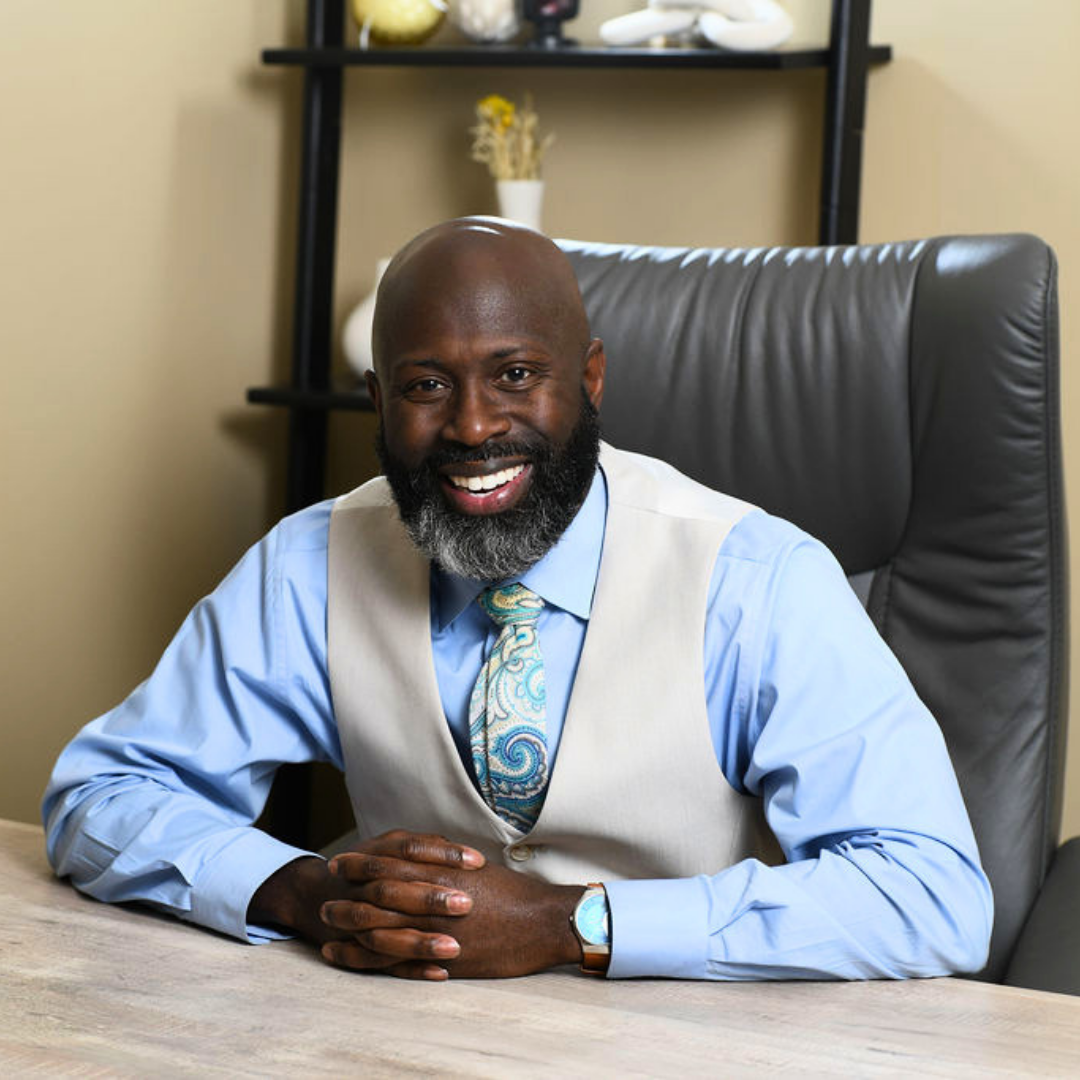
Licensed Couples Therapist
Licensed Clinical Mental Health Counselor and Licensed Clinical Addiction Specialist specializing exclusively in couples therapy using Emotionally Focused Therapy (EFT). I help couples strengthen emotional connection, improve communication, rebuild trust, and create healthier relationships through a warm, supportive, and evidence-based approach.
Learn More →