Understanding Attachment Styles
Your attachment style is the way you relate to your partner in intimate relationships. Developed through early experiences and shaped by your relationship history, your attachment style influences how you seek closeness, respond to conflict, and express needs. Understanding your attachment style—and your partner's—is key to building a more secure connection.
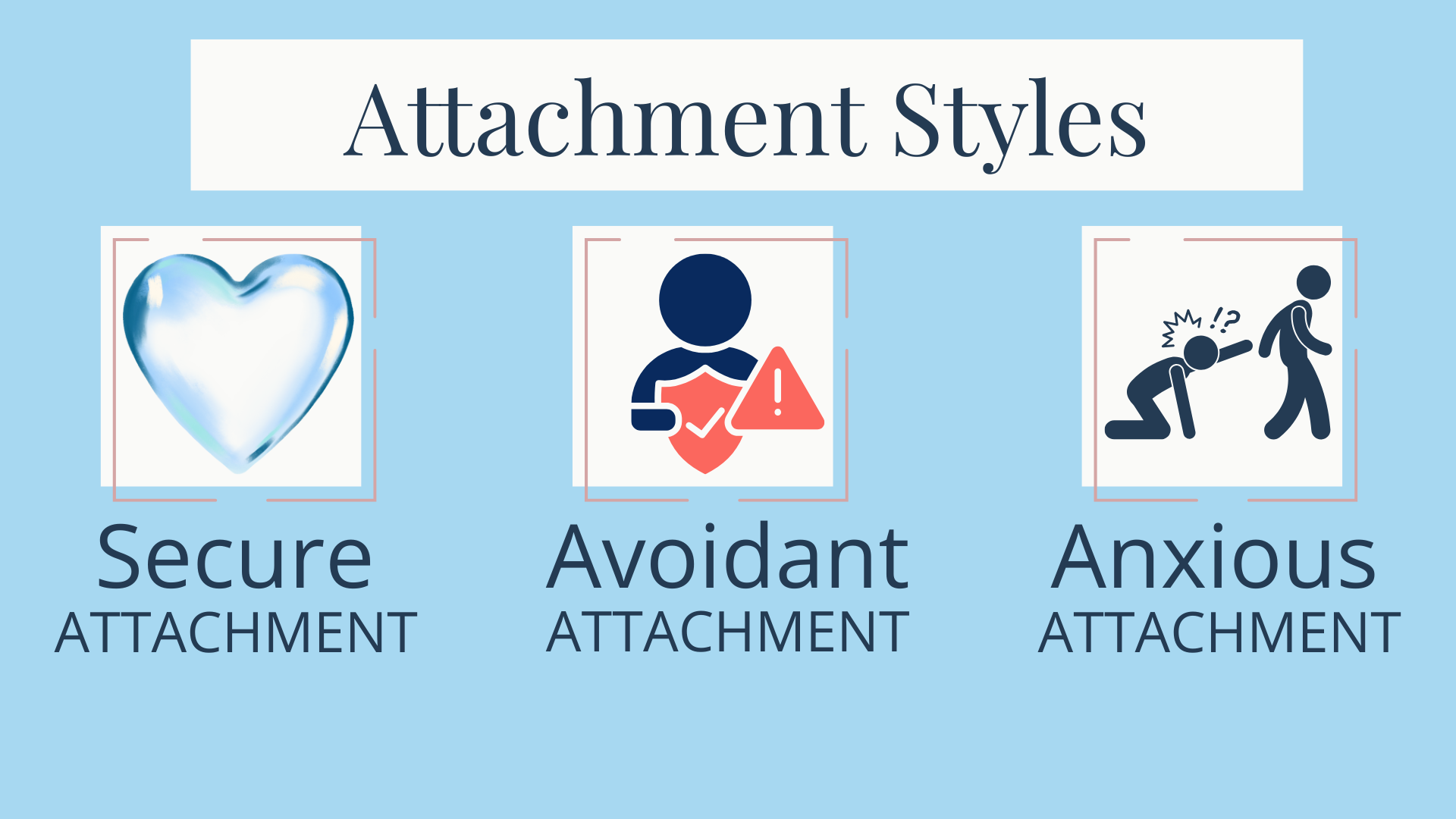
Secure Attachment
People with secure attachment feel comfortable with intimacy and closeness. They're able to express needs and feelings openly, trust their partner, and maintain healthy boundaries. They can soothe themselves when upset and turn to their partner for support.
In Relationships: Securely attached individuals tend to have more stable, satisfying relationships. They can handle conflict constructively and maintain emotional connection even during disagreements.
In Conflict: They communicate their needs clearly, listen to their partner, and work toward solutions.
Note: No one is securely attached 100% of the time, and that's okay. The goal is to move toward earned security.
Anxious Attachment
People with anxious attachment often fear abandonment and need frequent reassurance that they're valued. They may become preoccupied with their relationship, worry about their partner's feelings, and sometimes pursue connection intensely.
In Relationships: They may check in frequently, seek constant reassurance, or become clingy. They can be very attuned to their partner's moods and may adjust their own needs to keep the peace.
In Conflict: Anxiety may escalate; they might pursue their partner for reassurance or fear the relationship ending. They may become reactive or emotional.
Root: Often stems from inconsistent parenting or early experiences of conditional love.
Avoidant Attachment
People with avoidant attachment value independence highly and may feel uncomfortable with too much closeness or emotional expression. They often withdraw or distance themselves when things get intense or vulnerable.
In Relationships: They may prioritize alone time, avoid deep conversations, or seem emotionally distant. They can struggle with vulnerability and may shut down when a partner seeks connection.
In Conflict: They tend to withdraw, go silent, or leave the room. This can feel like rejection to an anxiously attached partner.
Root: Often stems from parents who were emotionally unavailable or who discouraged emotional expression.
Fearful-Avoidant (Disorganized) Attachment
People with fearful-avoidant attachment experience conflicting needs: they desire closeness but fear it. This can result in a push-pull dynamic—seeking connection then withdrawing when they get it.
In Relationships: They may seem unpredictable—sometimes pursuing connection intensely, then suddenly withdrawing. They may struggle with trust and have difficulty feeling safe in relationships.
In Conflict: They might alternate between pursuing and withdrawing, which can be confusing for their partner.
Root: Often stems from traumatic, abusive, or highly inconsistent early relationships.
Mismatched Attachment Styles
A very common couple dynamic is an anxiously attached partner paired with an avoidantly attached partner. The anxious partner pursues connection; the avoidant partner withdraws. The more the anxious partner pursues, the more the avoidant partner withdraws—and the cycle intensifies.
The good news: Through EFT, couples can understand these patterns, interrupt the cycle, and move toward a more secure dynamic. Each partner can learn to respond to the other's underlying needs rather than reacting to surface behavior.
Discover Your Attachment Style
Ready to understand your relationship patterns? Take our personalized 7-10 minute assessment to get tailored insights and practical strategies.
Begin the AssessmentWork With Me
Ready for professional support? Through Emotionally Focused Therapy, we'll help you and your partner break unhelpful patterns and rebuild emotional connection.
Schedule an Appointment